
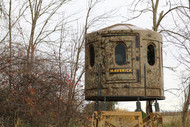
How to Insulate Your Maverick Hunting Blinds
10th Feb 2026
Late-season hunts have a way of separating comfort from commitment. When temperatures drop and sits get longer, even the best spot can feel miserable if your blind isn’t holding heat. That’s why learning how to insulate a deer blind is one of the smartest upgrades you can make for cold-weather hunting.
Insulating your Maverick blind doesn’t have to be complicated or expensive. With a few practical adjustments, you can stay warmer, cut down on noise, and stay focused longer when it matters most.
Start With the Right Blind
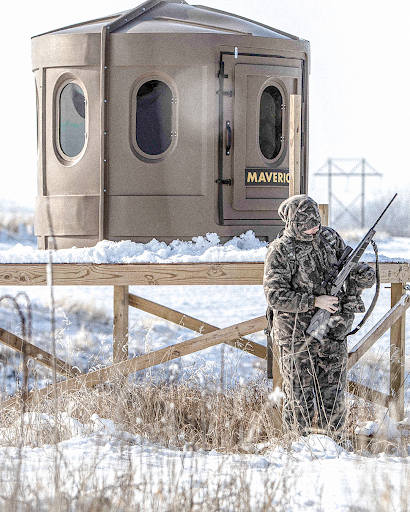
Before you add insulation, it’s worth starting with a blind that’s built to handle cold conditions in the first place. A well-designed blind makes insulation more effective and helps retain heat from the start.
Maverick Hunting offers several blind options depending on how you hunt. The 5-Shooter Blind is ideal for solo hunters who want a compact setup that’s easy to manage. The 6-Shooter Blind gives you room for a buddy without sacrificing warmth. The XL Blind is built for 1–2 hunters who want extra space without feeling drafty.
Maverick also offers Booner panel blinds, available in 4-panel, 5-panel, and 6-panel configurations. Each additional panel increases interior space, making it easier to tailor your setup while still maintaining solid deer blind heat retention.
Choosing the right size matters. A blind that’s too large for your needs takes longer to warm up, while one that fits your hunting style will stay comfortable longer in cold weather.
Proper Assembly Is Your First Layer of Insulation
One of the most overlooked parts of insulating a hunting blind is the initial setup. Even the best insulation won’t help if cold air is slipping in through gaps and seams.
Once your blind is assembled, take the time to double-check a few key areas:
- Make sure all panels are tight and properly aligned
- Check that doors and windows seal fully around the edges
- Look for gaps where panels meet and adjust as needed
A properly assembled blind not only stays warmer, but it also helps with soundproofing and insulating a deer blind, keeping unwanted noise to a minimum during movement.
Wall Insulation Options That Actually Work
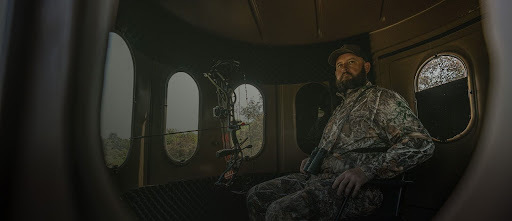
When it comes to insulating a deer blind for winter, wall insulation is where you’ll see the biggest payoff.
Foam Board Insulation
Foam board insulation is one of the most effective and affordable options available. You can find it at most hardware stores, and it provides excellent heat retention.
For Maverick blinds with curved panels, the best approach is to cut shallow slits partway through the foam board. This allows the board to flex and match the curve of the blind when pressed into place. For Booner panel blinds, simply cut each board to match the size of each panel.
Foam board is a favorite for hunters looking for the best insulation for deer blinds because it’s durable, quiet, and easy to customize.
Reflective Insulation Rolls
Reflective insulation is another solid option, especially if you want something lightweight and easy to install. The rolls are flexible, making them simple to fit against the blind walls without much trimming.
While reflective insulation may not provide the same thickness as foam board, it still plays an important role in heat retention and works well as part of a DIY deer blind insulation setup.
Don't Ignore the Floor
Cold doesn’t just come through the walls, it rises from the ground as well. Insulating the floor is an easy way to make your blind noticeably more comfortable.
Start by leveling the ground and using a wood or plastic platform to create a solid base. On top of that, add one of the following:
- Rubber mats
- Gym floor tiles
- Carpet
All of these materials can be cut to fit your blind and help reduce heat loss while also cutting down on noise from shifting feet or gear. A properly insulated floor goes a long way toward keeping a deer blind warm during long sits.
Using a Heater Safely and Effectively
Even with solid insulation, a heater can make cold-weather hunts more enjoyable. Insulation helps your blind warm up faster and keeps heat inside longer, making heaters more effective overall.
As always, follow manufacturer safety guidelines, ensure proper ventilation, and place heaters where they won’t interfere with movement or visibility. The goal isn’t to overheat, it’s to stay comfortable and focused as your body cools during long periods of sitting.
Make Late-Season Hunts More Enjoyable
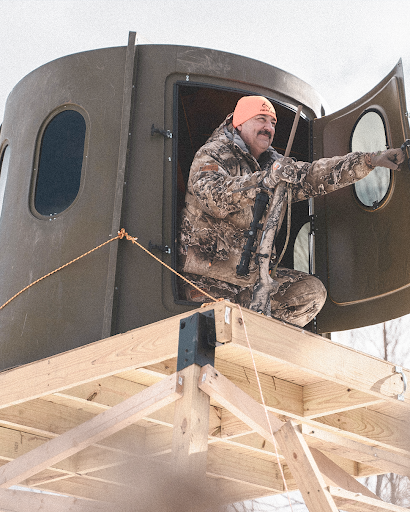
Cold weather doesn’t have to end your season early. With a few smart upgrades, your Maverick blind can become a warm, quiet, and reliable setup that performs when conditions are toughest.
Insulate it once, and you’ll feel the difference every late-season hunt that follows. Less cold. Less noise. More time in the field when opportunities count.
If you’re ready to build a blind that works just as hard in December as it does in October, Maverick Hunting Blinds are built for cold-weather comfort.
Explore Maverick Hunting Blinds Built for Cold-Weather Comfort